




Showing 20 search results of 4,338 videos found for

Algramo scales reusable packaging globally. With over 2,000 convenience stores and 80%+ reuse rates, it attracts brands like Unilever and Nestle. They co-develop technology, such as Packaging as a Wallet (PaaW) for IoT vending machines, enabling Unilever to sell detergent 30% cheaper. Algramo is also developing a flagship store and electric tricycle fleet.
Launched in 2010 by sailor Ellen MacArthur, the UK's Ellen MacArthur Foundation accelerates the transition to a circular economy. As a global thought leader, it influences business, government, and academia, supported by various partners.
Learn more at ellenmacarthurfoundation.org. Subscribe on YouTube and follow on Instagram, Facebook, LinkedIn, Twitter, and Medium.

Jeannette is dedicated to creating circular systems that eliminate disposable packaging. After nearly a decade researching reusable solutions, she launched reCIRCLE in 2016. This network now includes almost 1,000 partner restaurants, replacing approximately 50,000 disposable containers daily. With a Master's in environmental technology, Jeannette envisions reusable systems transforming many industries.
The Ellen MacArthur Foundation, a UK charity founded in 2010 by Ellen MacArthur, accelerates the transition to a circular economy. A global thought leader, it influences business, government, and academia. Explore their work at [www.ellenmacarthurfoundation.org](https://www.ellenmacarthurfoundation.org) and connect via social media: [YouTube](https://www.youtube.com/user/made2bemadeagain), [Instagram](http://instagram.com/ellenmacarthurfoundation), [Facebook](http://facebook.com/EllenMacArthurFoundation), [LinkedIn](https://www.linkedin.com/company/ellenmacarthurfoundation), [Twitter](http://twitter.com/circulareconomy), [Medium](http://medium.com/circulatenews).

Once plastic is disposed of, its journey often continues far beyond the bin. This discarded material frequently finds its way into our oceans, posing a significant threat to marine ecosystems.
From the vast expanses of the sea, plastic fragments break down into microplastics, entering the food chain. This process ultimately impacts wildlife and potentially human health, highlighting the critical need to understand and address plastic pollution.
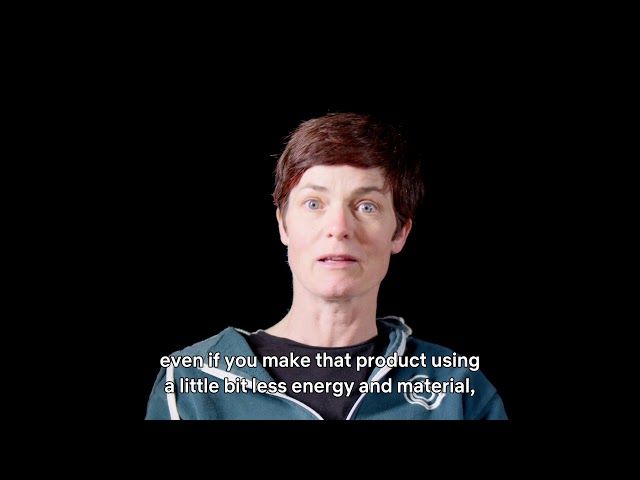
World record-breaking sailor Dame Ellen MacArthur discusses how her extensive time at sea provided a profound revelation about managing our planet's finite resources.
She shares her optimism for transitioning to a circular economy, a system focused on dramatically reducing waste and pollution.

Dal and Mike created "Trash Isles," a new country recognized by the United Nations, to combat plastic pollution. This initiative became one of 2018's most awarded campaigns, highlighting solutions to environmental challenges.
Working at AMV BBDO London for eight years, Dal and Mike are board members whose globally recognized work includes AMV's first White Pencil, the UK's first Green Pencil at The One Show, two Cannes Grand Prix, and a prestigious Design Museum trophy. They also collaborated with figures like Al Gore and David Attenborough on the campaign.
This discussion was presented at a TEDx event. Learn more at ted.com/tedx.

News media must address climate change with urgency. Over 150 outlets, partnering with Columbia Journalism Review and The Nation, dedicated a week (September 16-23) to reporting on humanity's devastating impact on the planet.
Teenage climate activist Alexandria Villaseñor shares her perspective within this initiative. Explore CJR's full series: https://www.cjr.org/covering_climate_now/

The global resale market, currently valued at $24 billion, is projected to reach $51 billion within five years, underscoring its rapid expansion.
Yerdle collaborates with leading brands like Patagonia, REI, Eileen Fisher, Arc’teryx, and Taylor Stitch. They develop white-label channels, empowering these companies to control their own resale marketplaces. Key questions remain regarding Yerdle's strategy for achieving this success and the individuals CEO Andy Ruben persuaded to embrace their model.

The Global Village Construction Set (GVCS) has the ambitious goal of providing open-source blueprints for all tools and machines needed to build a village, at a fraction of commercial costs. Since its 2007 inception, nearly one-third of these designs are complete, and the first houses have already been built using them.
This remarkable open-source, social production model is truly impressive. Learn more about its origins and growth directly from Founder Marcin Jakubowski in a live discussion.

Women are disproportionately affected by climate change, yet their voices are often unheard in decision-making. Enhancing their participation and leadership is crucial for a healthy, prosperous, and sustainable future, as highlighted by the Women4Climate initiative.
Clara Duchalet exemplifies this, having joined the C40 Women4Climate program to develop Vépluche, her circular economy startup valorizing organic waste.
Aspiring climate leaders are invited to join this session to learn how they can contribute.

By 2050, the global population will reach 10 billion. While individual actions often seem minor, collaborative change offers limitless potential. The Circular Economy Club (CEC) and WEAll Citizens exemplify this, having mobilized thousands of individuals and organizations.
They connect people to develop long-term solutions for local and global communities. This live discussion will explore how they achieve such significant impact.
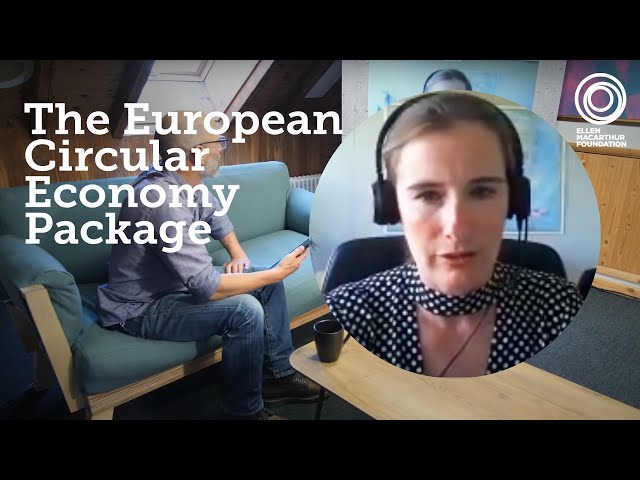
Enacted in 2015, the European Circular Economy Package is a landmark piece of legislation. It has significantly accelerated the transition to a circular economy across Europe and globally.
This session will explore the package's origins, contents, and impacts. Join the discussion to understand its implications and consider potential next steps as the European Commission prepares for its new term this fall.
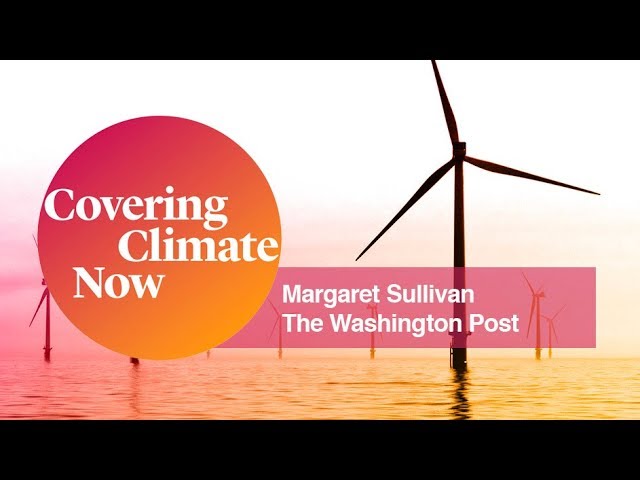
News media must end its complacency regarding climate change. Over 150 outlets, in partnership with Columbia Journalism Review and The Nation, committed to a week of intensive reporting from September 16-23. Their focus was on how human actions are devastating our planet.
Washington Post columnist Margaret Sullivan shared her insights on this initiative. Explore CJR's full series here: CJR's Covering Climate Now.

News media is ending its complacency on climate change. Over 150 outlets, led by Columbia Journalism Review and The Nation, committed to a week-long reporting initiative (September 16-23) highlighting humanity's devastating impact on the planet.
MSNBC's Chris Hayes shared his perspective as part of this effort. For the full series, visit CJR's website: cjr.org/covering_climate_now/

News media must actively address climate change. Over 150 outlets, including Columbia Journalism Review and The Nation, dedicated a week (September 16-23) to reporting on humanity's devastating impact on the planet.
Veteran journalist Bill Moyers shared his perspective within this initiative. For the complete series, visit CJR's website.

Sea turtles frequently mistake plastic bags for jellyfish, and ingesting them is often fatal. This plastic pollution poses a deadly threat to marine life.
To protect these creatures, we must #BreakFreeFromPlastic by significantly reducing plastic production. It's time for collective action.
Support Oceana's efforts and take the pledge here: https://bit.ly/2m4aMKe

Parrotfish species produce a mucus cocoon for protection against parasites while they sleep. This defensive barrier can take up to an hour to create for a single night's rest.
To learn more about parrotfish, explore Oceana's Marine Life encyclopedia: Oceana Marine Life Encyclopedia.

North Atlantic right whales, decimated by whaling until 1935, now face extinction. Only about 400 remain, with fewer than 100 breeding females, primarily threatened by commercial shipping and fishing.
To reverse this decline, these whales require protection from fishing gear entanglements and ship strikes. Key solutions include reducing vertical fishing lines and mandating slower ship speeds.
Music by Adam Lindquist: http://adamlindquist.com/

North Atlantic right whales, once decimated by whaling, now face extinction with only about 400 remaining, including fewer than 100 breeding females. Commercial shipping and fishing pose the primary threats.
To reverse this decline, urgent protection from fishing gear entanglements and ship strikes is essential. Reducing vertical lines from fishing gear and mandating slower ship speeds are critical steps.
Music by Adam Lindquist: http://adamlindquist.com/

North Atlantic right whale populations first crashed due to whaling, banned in 1935. Now, the species faces extinction, primarily from commercial shipping and fishing threats.
With only about 400 whales remaining, including fewer than 100 breeding females, urgent protection is vital. Reducing vertical fishing lines and requiring ships to slow down are crucial steps to prevent entanglements and ship strikes, helping to reverse their decline.

Bio-based waste streams, including food waste and industrial by-products, present a global challenge. In Scotland, the Industrial Biotechnology Innovation Centre (IBioIC) addresses this by connecting businesses with academics to transform these waste materials into valuable revenue streams.
IBioIC identifies this as a potential £900 million industry. They facilitate collaborations among their 130 Scottish members, exemplified by CuanTec, which developed a shellfish-derived shrink-wrap alternative.
Environmental Scientist and Advocate
What EarthSayers stands for
Discover Diverse Voices on EarthSayers
Unlike algorithm-driven platforms that push you into a content bubble, we ensure you hear a variety of perspectives from scientists, activists, Indigenous leaders, business innovators, and everyday citizens working toward sustainability.
EarthSayers CINEMA
Watch, learn and lead—sustainability starts with you.
The Thinking Game | Full documentary | Tribeca Film Festival official selection
“The Thinking Game” is the inside story of DeepMind's groundbreaking AI research, culminating in the Nobel Prize-winning AlphaFold breakthrough. Filmed over five years by the award-winning team behind "AlphaGo," this documentary explores co-founder Demis Hassabis's lifelong pursuit of artificial general intelligence and the rigorous scientific journey from mastering strategy games to solving the 50-year-old protein folding problem.
Following its world premiere at the Tribeca Festival, "The Thinking Game" is now available to watch for free. For those interested in hosting a screening for a classroom, community, or workplace, visit: rocofilms.com/films/the-thinking-game/.


