




Special Collections:
Life on Earth
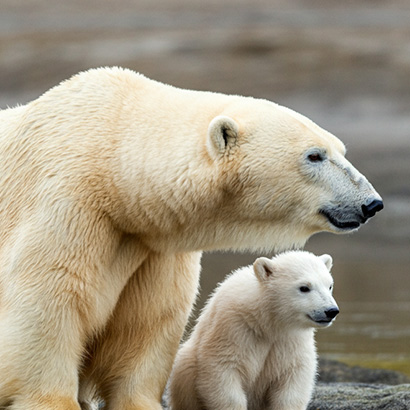
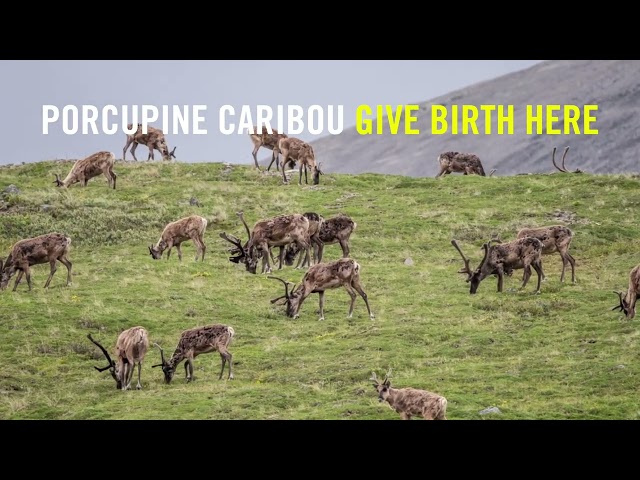
The Trump administration is initiating oil and gas lease sales in the Arctic National Wildlife Refuge's Coastal Plain, inviting companies to identify drilling sites. This 1.56-million-acre area is the biological heart of the Arctic Refuge, vital for the Porcupine caribou herd, migratory birds, and polar bears.
Industrializing this irreplaceable sanctuary will harm wildlife and accelerate climate change. The Arctic is already warming four times faster than the rest of the planet. Drilling will displace animals, endanger polar bear families, and pollute air and water, fueling a climate disaster. Past lease sales have failed due to public demand for protection over short-term corporate profit. Stand up for the Coastal Plain.

A vet examines an otter to prevent overheating, exploring how otters insulate themselves through meticulous grooming. This clip is from 'Natural World: Supercharged Otters' (2017).
Discover more captivating natural history content from BBC Earth. Subscribe for updates, or sign up for our newsletter to explore a vast library of dramatic and exclusive nature documentaries. For service information, visit BBC Worldwide.

Witness dramatic Yellowstone moments, from otter-eagle clashes to nature's master builders. BBC Earth brings you 50 years of captivating natural history, showcasing the world's beauty and wonder through dramatic, rare, and exclusive content.
Subscribe to BBC Earth for more incredible wildlife documentaries. Explore playlists like Best of BBC Earth, Planet Earth III, and Frozen Planet II. Sign up for our newsletter for the latest updates. These clips are from 'Great American Thaw' (2017).
This is a commercial page from BBC Studios. For service information and feedback, visit BBC Studios Feedback.

Witness the animal kingdom's greatest fights, from stingrays ambushing crabs to lionesses hunting warthogs. BBC Earth offers 50 years of dramatic, rare, and exclusive natural history content, exploring the world's beauty and wonder.
Subscribe for captivating wildlife documentaries and series like *Planet Earth III* and *Frozen Planet II*: http://bit.ly/BBCEarthSub. Sign up for our newsletter for updates: https://www.bbcearth.com/newsletter.
This commercial page from BBC Studios provides service information and feedback here: http://bbcworldwide.com/vod-feedback--contact-details.aspx.

Cameraman Charlie Hamilton James, captivated by otters for 25 years, reveals their survival secrets and explains why they are so special. This clip is taken from 'Natural World: Supercharged Otters' (2017).
Welcome to BBC Earth, your source for 50 years of entertaining and thought-provoking natural history content. Discover dramatic, rare, and exclusive nature stories from around the world.
For more wildlife content, subscribe to BBC Earth and sign up for our newsletter. For service information and feedback, visit: BBC Worldwide Feedback.

Explore the captivating world of romance in the wild, from intricate frog mating rituals to penguins competing among thousands of potential partners. Subscribe to BBC Earth for 50 years of dramatic, rare, and exclusive natural history content, showcasing the planet's beauty and wonder.
For the latest news and updates, sign up for our newsletter. Discover popular series like Planet Earth III, Frozen Planet II, and Blue Planet II in 4K, alongside our Best of BBC Earth collection. This content is brought to you by BBC Studios.

Welcome to BBC Earth, your destination for 50 years of captivating natural history. Immerse yourself in amazing stories, beauty, and wonder, featuring dramatic, rare, and exclusive content from across the globe.
Subscribe for more incredible wildlife and nature documentaries: http://bit.ly/BBCEarthSub. Sign up for our newsletter to receive the latest news and exclusives: https://www.bbcearth.com/newsletter. Explore our extensive library of content, including iconic series like Planet Earth and Blue Planet.
This is a commercial page from BBC Studios. For service information and feedback, visit: http://bbcworldwide.com/vod-feedback--contact-details.aspx.

Eight-week-old otter pups are learning essential survival skills, including swimming, at a rehabilitation centre. This clip is from 'Natural World: Supercharged Otters' (2017).
Welcome to BBC Earth, home to 50 years of dramatic and thought-provoking natural history content. Subscribe for more amazing stories and sign up for our newsletter to stay updated. Explore our extensive library, including shows like Planet Earth III and Blue Planet II in 4K.
This is a commercial page from BBC Studios. For service information and feedback, visit: bbcworldwide.com/vod-feedback--contact-details.aspx

Welcome to BBC Earth, your destination for 50 years of captivating natural history content. Explore the world's beauty, stories, and wonders through dramatic, rare, and exclusive nature programming.
Subscribe to [BBC Earth](http://bit.ly/BBCEarthSub) and sign up for our [newsletter](https://www.bbcearth.com/newsletter) for the latest updates and exclusives. Dive into our extensive library, featuring popular series like [Planet Earth III](https://bit.ly/PlanetEarthIIIPlaylist) and [Frozen Planet II](https://bit.ly/FrozenPlanetIIPlaylist), plus curated collections of animal fights and best-of moments.
This is a commercial page from BBC Studios. For service information and feedback, visit [our contact page](http://bbcworldwide.com/vod-feedback--contact-details.aspx).

The America the Beautiful Annual Pass, used by over a million visitors, grants entry to national parks and federal lands. The 2026 pass was legally mandated to feature a Glacier National Park photograph. However, the Trump administration instead inserted the president's image, reportedly discouraging sales and potentially voiding passes if the image is covered.
A new bill, the Prohibit Partisan Park Passes Act, seeks to ban images of living political figures on park passes. This aims to ensure public lands remain neutral spaces for all Americans, free from partisan politics.
U.S. residents should contact their representatives to support this act, ensuring passes feature natural beauty and wildlife, not political figures.

Experience Africa's extraordinary wildlife, from giraffes competing for dominance to hatchlings struggling for survival. BBC Earth brings you 50 years of dramatic, rare, and exclusive natural history content, showcasing the world's beauty and wonder.
Subscribe to BBC Earth for more captivating wildlife stories: http://bit.ly/BBCEarthSub. Get the latest updates via our newsletter: https://www.bbcearth.com/newsletter. Discover more content, including Best of BBC Earth, Planet Earth III, and Blue Planet II in 4K.
This is a commercial page from BBC Studios. For service information and feedback, visit: http://bbcworldwide.com/vod-feedback--contact-details.aspx.

Join Sir David Attenborough for two hours of superb wildlife moments, from crabs dodging predators to a brutal stallion fight. BBC Earth brings you 50 years of dramatic, rare, and exclusive natural history content, showcasing the world's amazing stories and natural wonder.
Subscribe for more incredible wildlife documentaries and sign up for our newsletter to receive the latest updates and exclusives. Explore a vast collection of entertaining and thought-provoking content.
This is a commercial page from BBC Studios. For service information and feedback, please visit http://bbcworldwide.com/vod-feedback--contact-details.aspx.

Welcome to BBC Earth, your destination for 50 years of captivating natural history. Explore a world of dramatic, rare, and exclusive content, showcasing the planet's beauty and wonder.
Subscribe for more incredible nature videos [here](http://bit.ly/BBCEarthSub). Stay updated with the latest news and exclusives by signing up for our [newsletter](https://www.bbcearth.com/newsletter). Dive into popular playlists like [Best of BBC Earth](https://bit.ly/BestOfBBCEarth) and [Planet Earth III](https://bit.ly/PlanetEarthIIIPlaylist).
This is a commercial page from BBC Studios. For service information and feedback, visit [bbcworldwide.com](http://bbcworldwide.com/vod-feedback--contact-details.aspx).

Enjoy perfect penguin moments, from muddy clean-ups to a chick's first steps. Welcome to BBC Earth, your home for 50 years of dramatic, rare, and exclusive natural history content, showcasing the world's amazing stories and wonders.
Subscribe for more captivating wildlife documentaries and series like Planet Earth III and Frozen Planet II: http://bit.ly/BBCEarthSub. Stay updated with the latest news and exclusives by signing up for our newsletter: https://www.bbcearth.com/newsletter.
This is a commercial page from BBC Studios. For service information and feedback, visit http://bbcworldwide.com/vod-feedback--contact-details.aspx.

Insects are vital for healthy ecosystems and human well-being, yet they face global decline from pollution, pesticides, habitat loss, and climate change. This crisis causes insect extinctions and the loss of irreplaceable services like pollination and decomposition.
The Center for Biological Diversity, a 501c3 nonprofit, works to secure a future for all species. We believe human welfare is linked to nature's diversity. Through science, law, and creative media, we protect the lands, waters, and climate species need, ensuring a wild world for future generations.
Learn more and take action at biologicaldiversity.org. Connect with us on social media or email center@biologicaldiversity.org for inquiries.

Our planet faces an unprecedented extinction crisis, with one species disappearing hourly and over a million plants and animals projected to vanish in coming decades. This unravels our world, but extinction is a choice we can fight, and awareness is the first step.
The 501c3 Center for Biological Diversity links human welfare to nature's diversity. We secure a future for all species through science, law, media, and habitat protection. Learn more at biologicaldiversity.org and take action at biologicaldiversity.org/action/alerts. Connect with us: Twitter, Facebook, Instagram, TikTok. For inquiries, email center@biologicaldiversity.org.

One in four native bee species, including western bumblebees, are rapidly declining due to habitat loss, climate change, invasive species, and pesticides. This alarming trend signals significant biodiversity loss across the country.
The Center for Biological Diversity, a 501c3 nonprofit, protects species and their habitats through science, law, and creative media. Believing human welfare is deeply linked to nature, we work to secure a future where the wild thrives for generations to come.
Learn more at our website and take action. For questions or media inquiries, email center@biologicaldiversity.org.

Himalayan marmots prepare for winter by accumulating fat reserves before hibernation, navigating competition and predators. Discover these and other dramatic natural wonders on BBC Earth, offering 50 years of entertaining and thought-provoking natural history content.
Subscribe to BBC Earth for more amazing stories: http://bit.ly/BBCEarthSub. Sign up for our newsletter to receive the latest news and exclusives: https://www.bbcearth.com/newsletter. Explore more captivating wildlife content.
This is a commercial page from BBC Studios. For service information and feedback, visit: http://bbcworldwide.com/vod-feedback--contact-details.aspx.

Welcome to BBC Earth, your destination for 50 years of captivating natural history. Discover amazing stories, beauty, and natural wonders, from dramatic wildlife to exclusive series. Subscribe for more: [Subscribe](http://bit.ly/BBCEarthSub), and get updates via our [newsletter](https://www.bbcearth.com/newsletter).
Explore a vast library of content, including the [Best of BBC Earth](https://bit.ly/BestOfBBCEarth), thrilling [Animal Fights](https://bit.ly/BestAnimalFights), and extended videos. Dive into iconic series like [Planet Earth III](https://bit.ly/PlanetEarthIIIPlaylist), [Frozen Planet II](https://bit.ly/FrozenPlanetIIPlaylist), and [Blue Planet II in 4K](https://bit.ly/BluePlanetII4kPlaylist).
This is a commercial page from BBC Studios. For service information and feedback, please visit [BBC Worldwide Feedback](http://bbcworldwide.com/vod-feedback--contact-details.aspx).

North Atlantic right whales are critically endangered, with only around 370 individuals remaining. Since 2017, over 140 have been killed or injured in an "Unusual Mortality Event."
The Center for Biological Diversity, a 501c3 nonprofit based in Tucson, Arizona, works to secure a future for all species on the brink of extinction. Believing human welfare is deeply linked to nature's diversity, they use science, law, and creative media to protect the lands, waters, and climate vital for species survival.
Explore their work, take action, and connect on social media via their website: https://www.biologicaldiversity.org. For questions or media inquiries, email: center@biologicaldiversity.org.
Environmental Scientist and Advocate
What EarthSayers stands for
Discover Diverse Voices on EarthSayers
Unlike algorithm-driven platforms that push you into a content bubble, we ensure you hear a variety of perspectives from scientists, activists, Indigenous leaders, business innovators, and everyday citizens working toward sustainability.
EarthSayers CINEMA
Watch, learn and lead—sustainability starts with you.
The Thinking Game | Full documentary | Tribeca Film Festival official selection
“The Thinking Game” is the inside story of DeepMind's groundbreaking AI research, culminating in the Nobel Prize-winning AlphaFold breakthrough. Filmed over five years by the award-winning team behind "AlphaGo," this documentary explores co-founder Demis Hassabis's lifelong pursuit of artificial general intelligence and the rigorous scientific journey from mastering strategy games to solving the 50-year-old protein folding problem.
Following its world premiere at the Tribeca Festival, "The Thinking Game" is now available to watch for free. For those interested in hosting a screening for a classroom, community, or workplace, visit: rocofilms.com/films/the-thinking-game/.


