




Special Collections:
Life on Earth
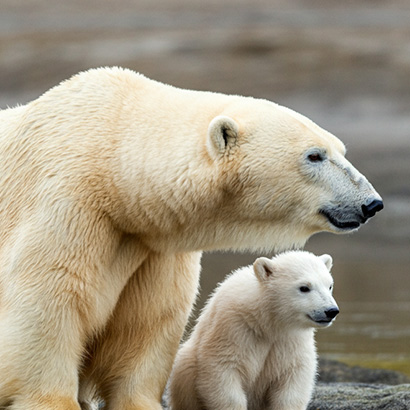
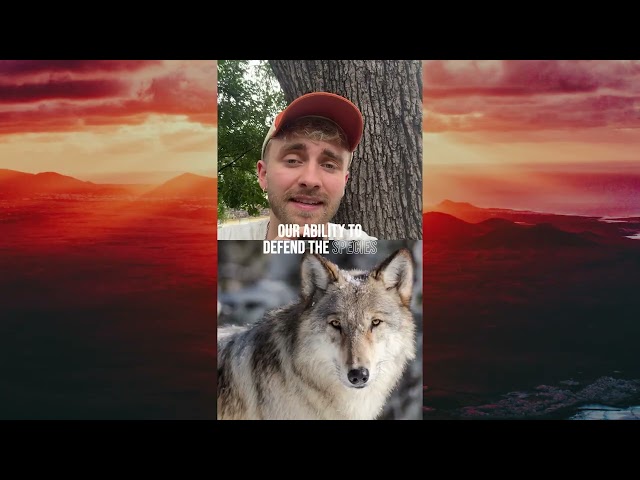
The Center for Biological Diversity is taking legal action against the Trump administration for attempting to weaken crucial habitat protections under the Endangered Species Act. Without these protections, endangered species face increased risks of extinction, as the administration downplays the impact of habitat destruction on wildlife.
As a nonprofit organization based in Tucson, Arizona, we advocate for the preservation of biodiversity, believing that human welfare is intertwined with the health of our natural world. We aim to secure a future for all species through science, law, and creative media. For more information, visit our website or connect with us on Facebook, Instagram, and TikTok.

The Trump administration's changes to the Endangered Species Act have removed crucial habitat protections for endangered wildlife by redefining "harm" and rescinding the blanket rule that offered equal protections for threatened species. This rule, which prohibited actions that could kill or injure these species or destroy their habitats, was initially repealed in 2019 and reinstated in 2024.
We need your voice to urge Congress to restore these essential protections. This fight extends beyond endangered wildlife; it encompasses the environmental laws that safeguard us all. Habitat destruction is the leading cause of extinction, and we cannot save species without protecting their homes. At the Center, we are committed to defending our environmental laws and will not back down.

Gordon Buchanan sets up a camera trap to film an otter family but unexpectedly captures footage of one of South America's most elusive animals.
Welcome to BBC Earth, where you can explore 50 years of captivating natural history content. Discover the beauty and wonder of our planet through dramatic and rare stories.
Subscribe to BBC Earth: http://bit.ly/BBCEarthSub. For the latest updates, sign up for our newsletter: https://www.bbcearth.com/newsletter.

Endangered species need habitats to survive, yet the Trump administration has weakened protections under the Endangered Species Act by removing the definition of "harm." This change threatens the survival of over 1,000 species, including wolves, grizzly bears, and bald eagles.
The Center for Biological Diversity is fighting this decision in court to protect the Act and the species it supports. Without these protections, activities like logging and mining could more easily invade the last homes of vulnerable wildlife. Join us in this crucial fight by making a gift: https://biodiv.us/4f49LKq

We are suing the Trump administration for attempting to weaken crucial habitat protections under the Endangered Species Act. Without these protections, endangered species face increased risks of extinction.
The administration's claims that habitat destruction does not harm wildlife, such as spotted owls and whooping cranes, are misleading and ignore scientific evidence. We have successfully defended this law in the past and are prepared to do so again. Join us at the link in our bio.

Subscribe to BBC Earth for the latest news and updates at BBC Earth Subscription. Sign up for our newsletter for exclusive content at BBC Earth Newsletter.
Explore more with our curated playlists: Best of BBC Earth, Best Animal Fights, Videos over 10 minutes, Planet Earth III, Frozen Planet II, and Blue Planet II in 4K.

Explore the captivating stories of nature on Earth’s tropical islands, from the survival tactics of chameleons to the fearless climbing of Bornean sun bears in search of food.
Subscribe to BBC Earth for the latest updates and exclusive content. Discover more with our playlists: Best of BBC Earth, Best Animal Fights, and Planet Earth III. Join us in celebrating 50 years of incredible natural history content!

Subscribe to BBC Earth for the latest updates and exclusive content: Subscribe here. Sign up for our newsletter at BBC Earth Newsletter.
Explore our collection of captivating natural history videos, including the Best of BBC Earth, Best Animal Fights, and playlists for Planet Earth III and Frozen Planet II. Discover the beauty and wonder of our planet with 50 years of thrilling content from BBC Studios.

Join George McGavin as he seeks the queen of a massive army ant colony, while capturing a special moment of macaws calling on film.
Subscribe to BBC Earth for captivating natural history content: Subscribe. Stay updated with our newsletter: Sign up. Explore more videos, including the Best of BBC Earth and Planet Earth III.

Subscribe to BBC Earth for captivating natural history content: Subscribe here. Stay updated with the latest news and exclusives by signing up for our newsletter at BBC Earth Newsletter.
Explore more with our curated playlists: Best of BBC Earth, Best Animal Fights, and Planet Earth III. Discover the wonders of nature with 50 years of dramatic and exclusive content from BBC Studios.

Subscribe to BBC Earth for captivating natural history content: Subscribe here. Stay updated with the latest news and exclusives by signing up for our newsletter: Join our newsletter.
Explore more with our curated playlists: Best of BBC Earth, Best Animal Fights, Videos over 10 minutes, Planet Earth III, Frozen Planet II, and Blue Planet II in 4K. Discover the beauty and wonder of our planet with 50 years of exclusive content from BBC Studios.

Henry Mwape is part of the Zambian Carnivore Program (ZCP), which focuses on protecting large carnivores like lions and wild dogs. He founded a football team called Mimbulu, named after the local term for wild dogs, to merge his passions for conservation and football.
During halftime, ZCP presents a play to educate the community on protecting livestock from wild carnivores, promoting awareness and conservation efforts.
Subscribe to BBC Earth for more amazing content: http://bit.ly/BBCEarthSub. Stay updated with our newsletter: https://www.bbcearth.com/newsletter.

The Trump administration has significantly weakened the Endangered Species Act, posing a severe threat to already vulnerable species. Habitat destruction, the primary cause of extinction, is exacerbated by the removal of these vital protections, which have historically preserved forests, rivers, and essential habitats for wildlife.
This rollback paves the way for increased logging, mining, and drilling in critical areas for endangered species. The Center for Biological Diversity is committed to challenging this decision in court, advocating for the protection of wildlife and natural ecosystems for future generations.

The Trump administration has significantly weakened the Endangered Species Act, posing a serious threat to already vulnerable species. Habitat destruction, the primary cause of extinction, is exacerbated by the removal of these vital protections, which have previously safeguarded forests, rivers, and essential wildlife habitats.
This rollback paves the way for increased logging, mining, and drilling in critical areas, jeopardizing the survival of endangered species. The Center for Biological Diversity is committed to challenging this decision in court, advocating for the protection of wildlife and natural spaces for future generations.

Shorebirds nesting near SpaceX's launch site in South Texas face serious threats. The Lower Rio Grande Valley National Wildlife Refuge, crucial for these birds and other species, has been impacted by rocket explosions that scatter debris, ignite wildfires, and damage habitats.
A 2024 study revealed that all monitored shorebird nests near the launch site experienced egg damage or loss after a launch. Despite this, the U.S. Fish and Wildlife Service proposes to transfer 715 acres of this protected refuge to SpaceX, rather than holding the company accountable. We are suing to prevent this harmful land swap and protect vital wildlife habitats from further destruction.

Join George McGavin as he explores an extreme habitat, encountering a quick spider and a cave cricket, amidst the discovery of over five million undiscovered species.
Subscribe to BBC Earth for the latest updates and exclusive content. Explore more with our playlists: Best of BBC Earth, Best Animal Fights, and Planet Earth III.

Subscribe to BBC Earth for captivating natural history content: Subscribe here. Stay updated with the latest news and exclusives by signing up for our newsletter at BBC Earth Newsletter.
Explore more with our curated playlists: Best of BBC Earth, Best Animal Fights, Videos over 10 minutes, Planet Earth III, Frozen Planet II, and Blue Planet II in 4K. Discover the beauty and wonder of our planet with us!
Subscribe to BBC Earth for the latest news and updates at BBC Earth Subscription. Sign up for our newsletter for exclusive content at BBC Earth Newsletter.
Explore more with our curated playlists: Best of BBC Earth, Best Animal Fights, and Planet Earth III. Discover the wonders of nature with 50 years of captivating natural history content.

Some argue that the SpaceX land swap is beneficial, but they overlook a crucial detail: the habitat scoring system used to deem these lands "low value" was developed in collaboration with SpaceX.
It's important to consider whether the lower habitat quality in these areas is a result of years of launches, explosions, and industrial development. The Center emphasizes the importance of scrutinizing the sources behind research. Public lands should not be for sale, and we remain committed to this fight.

Welcome to BBC Earth, your destination for 50 years of captivating natural history. Explore amazing stories, breathtaking beauty, and natural wonders, featuring dramatic wildlife and exclusive content that makes nature more exciting than ever.
Subscribe for more incredible documentaries and series: http://bit.ly/BBCEarthSub. Sign up for our newsletter to receive the latest news, updates, and exclusives: https://www.bbcearth.com/newsletter. Dive into a vast library of award-winning shows.
This is a commercial page from BBC Studios. For service information and feedback, please visit: http://bbcworldwide.com/vod-feedback--contact-details.aspx.
Environmental Scientist and Advocate
What EarthSayers stands for
Discover Diverse Voices on EarthSayers
Unlike algorithm-driven platforms that push you into a content bubble, we ensure you hear a variety of perspectives from scientists, activists, Indigenous leaders, business innovators, and everyday citizens working toward sustainability.
EarthSayers CINEMA
Watch, learn and lead—sustainability starts with you.
The Many Passions of Matteo Lane
Matteo Lane is a multifaceted artist—stand-up comedian, painter, singer, and Broadway performer. In this interview, he shares how these skills intertwine in his creative process, likening art to a tree that branches out in various directions.
We explore his role as Billy Flynn in Broadway’s Chicago, his journey from bar shows to international comedy tours, and the evolution of gay representation in comedy. Lane also discusses his artistic roots at the School of the Art Institute of Chicago, his admiration for Maria Callas, and his philosophy of focusing on the journey of creation rather than the end product.
Official website: pbs.org/americanmasters


